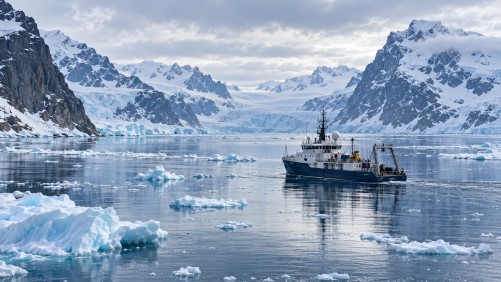
Greenland’s parliament has unanimously approved a proposal urging the government to draft legislation that would ban deep-sea mining and exploration until at least 2029. This decision underscores growing environmental concerns regarding the extraction of minerals from the Arctic seabed, an area with limited scientific understanding of the potential impact on marine ecosystems.
The proposed moratorium reflects the importance of fisheries to Greenland’s economy and the reliance of local communities on hunting for their livelihoods. Environmental groups have praised the initiative, emphasizing the need to protect marine life from the uncertain consequences of deep-sea mining.
Despite environmental apprehensions, Greenland’s untapped mineral resources present a significant economic opportunity. These resources could play a crucial role in industries related to advanced technology and defense, potentially reducing Greenland’s financial reliance on Denmark. Currently, Danish government subsidies account for about 20% of the territory’s economy.
Under the new proposal, the Greenlandic government could extend the mining moratorium in two-year increments, providing flexibility in response to future developments. This decision comes at a time of increased international interest in Greenland’s strategic location and natural resources.
Greenland’s approach to resource extraction has been cautious, as evidenced by the halt on new oil and gas exploration permits in 2021. The challenging Arctic conditions and limited infrastructure make large-scale industrial drilling difficult, aligning with the territory’s careful consideration of environmental and economic factors.