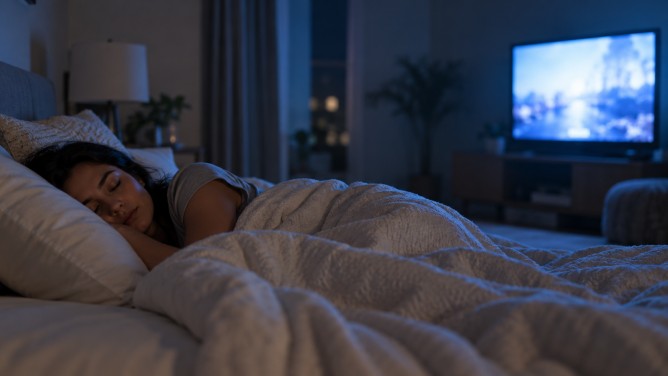
Research indicates that exposure to artificial light at night, including light from televisions, may affect heart health by altering heart structure and function. A study analyzing data from over 11,000 adults found that those exposed to higher levels of nighttime light exhibited noticeable differences in heart characteristics. These differences included increased left ventricular mass, thicker heart walls, and a reduced ability of the heart muscle to contract, which are consistent with concentric cardiac remodeling. Although the study does not confirm that nighttime light exposure directly leads to heart disease, it highlights a potential area of concern for maintaining cardiovascular health.
The body’s circadian rhythm, an internal 24-hour clock, plays a crucial role in regulating sleep, hormone release, and other essential functions. Darkness signals the body to rest, while exposure to light at night can disrupt these natural processes, potentially affecting heart health. The study also explored the connection between poor sleep and heart health, suggesting that shorter sleep duration due to nighttime light exposure may partially explain changes in heart structure. However, further research is needed to understand fully whether limiting nighttime light exposure can prevent these cardiac changes.
To promote better sleep and potentially support heart health, maintaining a dark bedroom environment is recommended. Simple strategies include using a TV sleep timer to ensure it turns off automatically, switching off unnecessary lights, blocking outdoor light with curtains or blinds, reducing screen use before bed, and maintaining a regular sleep schedule. These practices can help create a more restful sleeping environment and support the body’s natural sleep-wake rhythm.
While occasionally falling asleep with the television on is not likely to pose significant risks, regularly sleeping in a brightly lit environment may interfere with healthy sleep patterns. As research continues to explore the implications of nighttime light exposure on heart health, individuals concerned about their cardiovascular well-being should focus on comprehensive heart-healthy behaviors and consult healthcare professionals for personalized advice. Keeping the bedroom dark, limiting screen exposure, and adhering to a regular sleep routine are practical steps towards better rest and overall health.