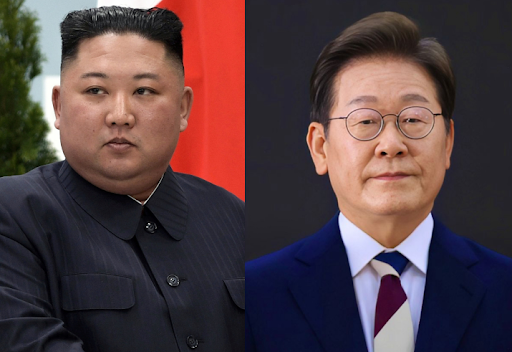
The technical details of a new US-South Korea security pact have ignited a firestorm of criticism from Pyongyang. North Korea condemned the agreement on Tuesday, specifically targeting the provisions that allow Seoul to expand its authority over uranium enrichment. State media warned that this development, aimed at fueling nuclear-powered submarines, is bound to cause a “nuclear domino” effect and plunge the region into a “hot arms race.”
South Korean President Lee Jae Myung finalized the long-awaited trade and security agreement last week. The deal is a significant milestone for South Korea’s defense industry, as it loosens US restrictions on fissile material processing—specifically spent-fuel reprocessing and uranium enrichment. These technologies allow South Korea to build submarines that can stay submerged indefinitely, a capability that North Korea views as a direct and “dangerous attempt at confrontation.”
The ferocity of the North’s response has overshadowed a major diplomatic initiative launched by Seoul just a day earlier. In a bid to reduce border tensions, the South Korean government proposed military talks with Pyongyang, the first such offer in seven years. President Lee has championed a policy of engagement, offering to hold broader discussions without the preconditions that defined the previous conservative administration’s approach.
However, the North appears to be interpreting the uranium deal as a sign that the South is seeking nuclear parity, if not superiority. The “nuclear domino” rhetoric serves as a warning to the international community that allowing South Korea to master the fuel cycle could lead to unchecked proliferation. It frames the South as the destabilizing agent, complicating the narrative of President Lee as a peace-seeker.
As it stands, the North has ignored the olive branch. There has been no official reply to the proposal for military talks, only the angry commentary regarding the submarines. The focus on uranium enrichment highlights that for Pyongyang, the technical capabilities of its adversaries are a far more pressing concern than diplomatic niceties, suggesting a rocky road ahead for inter-Korean relations.