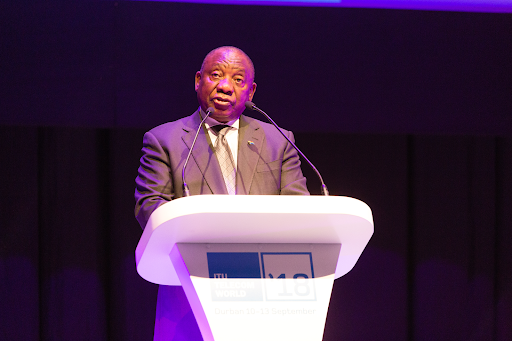
The diplomatic temperature has cooled significantly, with South Africa confirming that the United States is reconsidering its high-profile decision to boycott the G20 summit in Johannesburg. President Cyril Ramaphosa confirmed ongoing, last-minute talks that could pave the way for a US delegation to attend, potentially defusing a major international standoff just before the historic meeting is scheduled to begin. Ramaphosa, however, reserved judgment on whether President Donald Trump would personally be present.
The initial crisis was sparked by President Trump’s controversial accusations that South Africa was discriminating against its white Afrikaner population, based on claims of violence and the contentious land seizure policies impacting white farmers. The South African leadership was unified and swift in its denial, dismissing the allegations as unfounded, factually incorrect, and explicitly politically motivated to interrupt the summit’s preparations.
Engaging with European counterparts, Ramaphosa expressed optimism, viewing the US outreach as a clear “positive sign” of a willingness to re-engage. He reiterated his long-held diplomatic philosophy that boycotts are generally unproductive and fail to yield constructive outcomes. Ramaphosa reaffirmed South Africa’s commitment to inclusive global cooperation, noting that the G20 agenda has been specifically crafted to champion the interests and priorities of the developing world.
A key point of contention had been a US diplomatic note warning that the G20 would be unable to produce a unified final statement without the presence of the American delegation. South Africa strongly rejected this tactic, officially condemning it as a form of coercion that compromised the very spirit of multilateral decision-making. Officials argued forcefully against setting a precedent that allowed an absent country to effectively hold the global proceedings hostage.
In his concluding remarks, Ramaphosa insisted that South Africa remains devoted to the complex task of consensus-building, even amid lingering disagreements with a global power. He acknowledged the future US G20 presidency but was clear: the forum’s credibility rests upon its inclusivity and a spirit of collective action, not on caving to unilateral pressure from any one member.