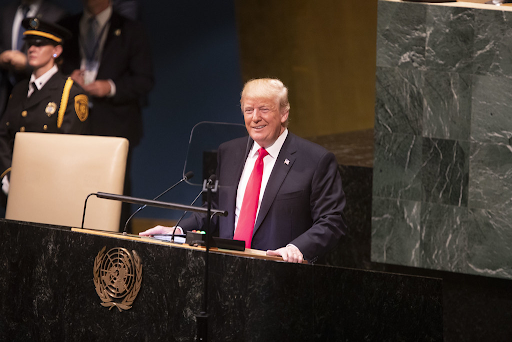
India found itself in the uncomfortable position of being targeted twice by US President Donald Trump during his speech at the UN General Assembly. In a one-two punch, Trump criticized New Delhi’s past and present policies, first by reviving a disputed claim about an India-Pakistan conflict and then by excoriating its current trade with Russia.
The first blow was Trump’s assertion that he deserves a Nobel Peace Prize for having “stopped a war” between the two South Asian rivals. This claim, which Indian officials contest, was presented to the world as a key achievement of his presidency. India’s official stance is that its military de-escalation, known as ‘Operation Sindoor’, was a sovereign decision and not the result of US pressure, making Trump’s comment a direct challenge to its diplomatic narrative.
The second, more acerbic attack focused on the war in Ukraine. Trump accused India and China of effectively bankrolling the conflict by continuing to be major buyers of Russian oil. “China and India are the primary funders of the ongoing war,” he stated, a line that immediately drew global attention and put New Delhi on the defensive. This public condemnation marks a new low in the recent trajectory of US-India ties.
This rhetoric is not just talk. The Trump administration has already doubled tariffs on Indian goods to 50% and is openly considering more sanctions, according to Secretary of State Marco Rubio. The goal is unequivocal: to squeeze Russian revenues by punishing its customers. This puts India, which argues it is simply seeking the best price for its energy needs, in direct conflict with US foreign policy objectives.
The speech underscores the transactional and often volatile nature of Trump’s diplomacy. Despite recent overtures and praise for Prime Minister Narendra Modi, the US President has demonstrated his readiness to publicly criticize and pressure allies who do not fall in line. This leaves the Modi government with the difficult task of defending its national interests without triggering a full-blown diplomatic or trade war with Washington.