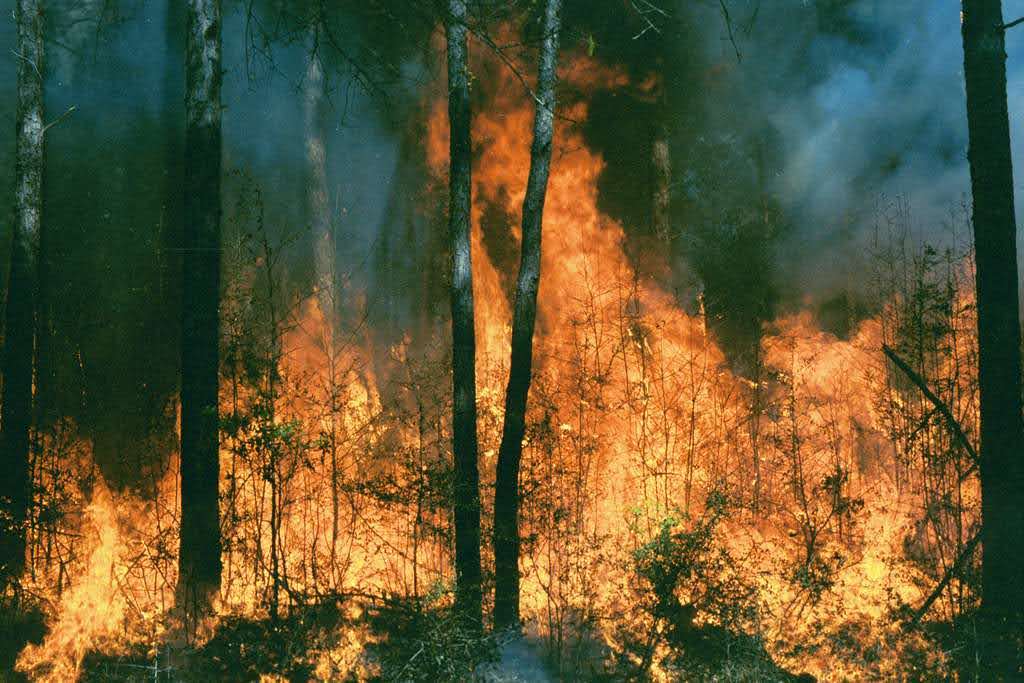
Recent forest fires across Türkiye — particularly in provinces like Bursa, Sakarya, and Izmir — have raised alarms among environmental experts about long-term threats to local wildlife and ecosystems. While the blazes have been contained, the impact on animals and their habitats may linger for years.
Wildlife experts explain that the severity of these fires determines the extent of harm. Large-scale and high-intensity fires can devastate a wide range of animals, including those typically able to flee. In contrast, smaller surface fires allow many fast-moving species and larger mammals to escape.
Small, ground-dwelling creatures such as mice are especially vulnerable, as they cannot outrun deep-burning fires. Temperatures exceeding 63°C (145°F) can be fatal to these animals. Reptiles like snakes and turtles are also at high risk, particularly during widespread blazes.
Birds generally fly to safety, but during nesting seasons, fires can destroy nests and impact breeding success. Interestingly, some birds, like raptors and insect-eating species, are drawn to fire zones to hunt fleeing animals or feed on disturbed insects.
Experts recommend creating open clearings within forests to act as natural firebreaks and safe havens for animals during fires. These meadow-like spaces help control fire spread and offer refuge to vulnerable species.
Red pine trees, common in Türkiye’s lower elevations, are among the most affected, despite being relatively fire-resistant. However, nature often recovers over time — many burned areas show signs of natural reforestation within a few years.
55