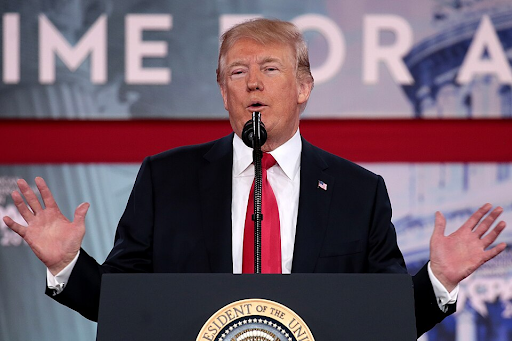
In a bid to restore order to the global energy market, Donald Trump has announced the suspension of certain oil sanctions following a period of unprecedented price volatility. This move comes as Brent crude fell sharply from nearly $120 per barrel to just over $91 in a matter of hours. The President’s intervention follows an intense period of fighting in the Middle East that had previously pushed prices to their highest levels in four years.
The crisis was exacerbated by Iranian Revolutionary Guard officials who vowed to halt all oil exports from the Persian Gulf. This threat targeted the Strait of Hormuz, a passage that is essential for roughly 20% of the world’s energy trade. For the past week, the strait has been effectively offline, creating a supply gap that threatened to plunge major economies into a deep energy deficit.
Trump’s new strategy involves a temporary lifting of restrictions to ensure that global markets remain liquid while the strait remains contested. This policy pivot was notably announced after a conversation with the Russian President, suggesting a complex layer of diplomacy involving multiple major energy producers. The President stated that these measures are necessary to keep prices from rising further than they already have.
The ripple effects of the conflict have triggered emergency responses from governments worldwide. Bangladesh has moved up national holidays and closed schools, while South Korea and Hungary have stepped in to regulate the cost of fuel directly. These interventions highlight the desperation of national leaders to shield their populations from the volatility of the Middle East conflict.
As the military situation is described by Trump as “pretty much complete,” the focus now shifts to the security of the maritime trade routes. France has indicated a willingness to lead a naval escort mission for tankers once the environment becomes more stable. The market remains hopeful that these diplomatic and military shifts will lead to a permanent reduction in energy costs.