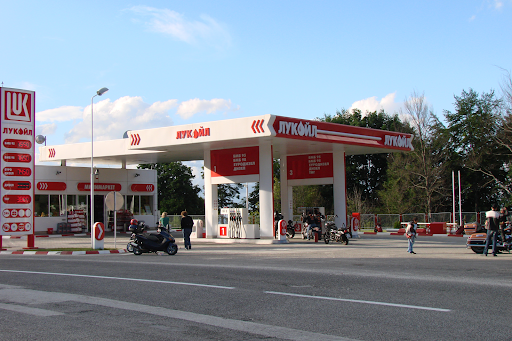
The General Staff of the Armed Forces of Ukraine has confirmed a successful operation where Ukraine strikes Russian oil assets, specifically targeting the V. Filanovsky, Yuri Korchagin, and Valery Grayfe platforms in the Caspian Sea. These platforms, which are key components of Lukoil’s offshore operations, sustained direct hits during a nighttime assault. The strike is part of a broader strategy to degrade Russia’s economic capacity to fund its ongoing war effort. By attacking the source of Russia’s wealth—its oil production—Ukraine hopes to force difficult budgetary decisions on the Kremlin and limit the resources available for the military.
These specific platforms have been in the crosshairs before, having been targeted multiple times in December. The persistence of these attacks indicates a strategic focus on crippling Russia’s Caspian Sea energy infrastructure. While the damage is currently being assessed, the report of direct hits implies that the strikes were accurate and potentially destructive. Lukoil has not yet responded to requests for comment, leaving the status of the platforms and their production output uncertain.
In addition to the maritime strikes, Ukrainian forces have been active against high-value military targets on land. A Buk-M3 air defense missile launcher was destroyed in the Russian-controlled Luhansk region. Preliminary reports indicate multiple hits and explosions, signaling the total loss of the system. This strike degrades Russia’s ability to defend its airspace in the occupied territories. Another strike targeted a warehouse in the Kherson region, aiming to disrupt the logistics and technical support that keep Russian frontline units fighting.
The war on energy infrastructure is a two-way street. Russian forces have targeted power plants and energy grids across Ukraine, causing widespread electricity and heating outages. Ukraine has responded by targeting Russian refineries, sea terminals, and the shadow fleet of tankers used to bypass sanctions. This escalation serves to level the playing field, inflicting economic pain on Russia in response to the humanitarian suffering caused by Russian strikes on Ukrainian civilian infrastructure.
Russian territory is also increasingly under fire. In Voronezh, a city in southwestern Russia, a drone strike killed one person and wounded at least four others. Governor Alexander Gusev reported that 17 UAVs were neutralized in one of the largest drone attacks on the city since the war began. This demonstrates Ukraine’s growing ability to project power deep into Russia, disrupting daily life and challenging the sense of security in Russian cities far from the front lines.