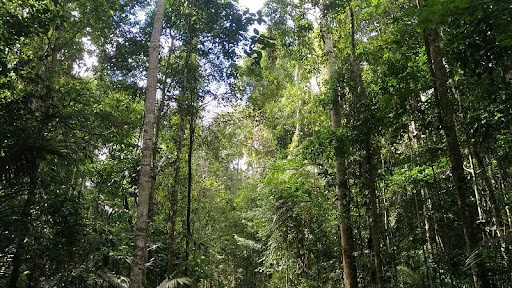
The choice of Belem, Brazil, as the location for the latest round of global climate talks could not be more significant. As a city situated within the vast Amazon rainforest, it serves as a powerful, living reminder of what is at stake in the fight against global warming.
It is here that Brazil’s President Luiz Inácio Lula da Silva is seeking to mobilize a global coalition to halt the destruction of tropical rainforests. His central proposal is a new fund designed to pay 74 developing countries to protect their forests, which are crucial for absorbing carbon dioxide.
Lula’s plan, the “Tropical Forests Forever Facility,” aims to make preservation economically viable. It would be financed by interest-bearing loans from wealthier nations and commercial investors, a departure from donation-based models. The goal is to make trees more valuable standing than felled.
The summit has already seen $5.5 billion in pledges, with a notable $3 billion from Norway. Germany’s Chancellor Friedrich Merz is also expected to pledge support. A key component of the fund dedicates 20 percent of its resources to the Indigenous peoples who are the ancestral guardians of these lands.
However, the urgency of the Belem talks is contrasted by divisions in the global community. The leaders of the US, China, and India—the world’s biggest polluters—skipped the preliminary session. This prompted UN Secretary-General António Guterres to warn that “fossil fuel interests” are jeopardizing the planet’s future.