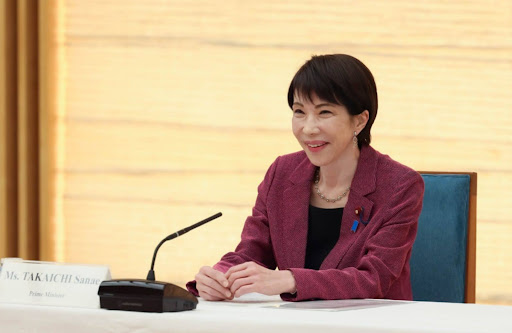
In the most sweeping energy emergency measure in its history, Japan will begin its biggest-ever oil release from national reserves this Thursday, Prime Minister Sanae Takaichi announced. About 80 million barrels of oil — equivalent to 45 days of domestic demand — will be handed over to domestic refiners. The move is part of a broader government response to the threat that the US-Israel war on Iran poses to the Strait of Hormuz.
Japan’s economic exposure to Middle East oil is substantial, with more than 90% of its crude coming from the region. A blockage of the Strait of Hormuz — the narrow waterway through which much of the world’s oil flows — would have an immediate and severe impact on Japan’s energy supply. The government has moved swiftly and decisively to prevent such a scenario from derailing the domestic economy.
The volume of this emergency release is 1.8 times greater than the Fukushima disaster drawdown of 2011, making it a record-setting measure. Japan’s total strategic oil reserves stand at around 470 million barrels — covering 254 days of consumption. The government had previously cleared the release of 15 days of private reserves, and this state-level deployment represents the next phase of the emergency response.
Consumer-side measures have also been introduced, with gasoline subsidies capping prices at approximately ¥170 per litre after they hit a record ¥190.8. Social media has been a source of misinformation, with some users warning of toilet paper shortages — a claim that industry leaders and the trade ministry have firmly rejected. Japan’s household paper sector confirmed it produces 97% of its toilet paper domestically, using recycled pulp and paper, with no reliance on Middle Eastern materials.
Prime Minister Takaichi has maintained Japan’s diplomatic posture, declining Trump’s call for a naval deployment to the Strait of Hormuz based on constitutional grounds. Japan intends to play an active but peaceful role in international efforts to stabilize the Middle East situation. The government will continue to employ every diplomatic and economic tool at its disposal to protect its people and energy supply.