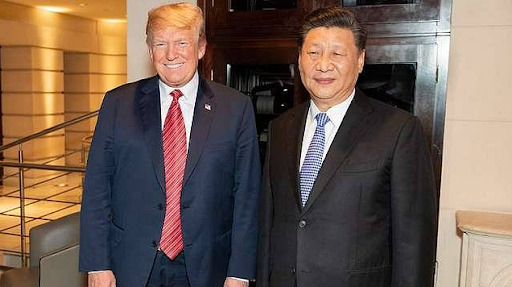
Beijing is mounting a renewed diplomatic offensive aimed at forcing the United States to abandon its decades-old policy of “strategic ambiguity” toward Taiwan. The core of this push is a request for the Trump administration to publicly declare its “opposition” to Taiwanese independence, a significant hardening of the current American position of non-support.
This demand aims to fundamentally reshape the security architecture of the Western Pacific. The U.S. policy, in place since the normalization of relations with China, has successfully deterred aggression from Beijing while dissuading Taipei from a formal declaration of independence. By demanding the U.S. take a clear side, China seeks to remove the primary obstacle to its ambitions regarding the island.
The timing is critical, as the request is being reviewed in the context of broader U.S.-China negotiations on trade and technology. This linkage has raised alarms that the Trump administration might view a concession on Taiwan as a tool to achieve its economic goals. The lack of a decision from Washington has left allies in the region, particularly Taiwan, in a state of anxious uncertainty.
China’s strategy is persistent and methodical. According to Craig Singleton of the Foundation for Defense of Democracies, Beijing has consistently raised this issue with U.S. administrations. “The fact it’s being raised again is consistent with Beijing’s incremental strategy: pocket small wins and then push for more,” he explained.
Any such policy shift would be a monumental win for President Xi Jinping. It would be portrayed globally as a sign of waning U.S. influence and commitment to its democratic partners. For Taiwan, it would represent a significant setback, leaving the island more vulnerable to Beijing’s increasing pressure and intimidation tactics.