A new and dangerous front has opened in the South China Sea dispute, with China accusing the Philippines of a deliberate ramming attack at sea. The charge came after a collision on Tuesday near Scarborough Shoal, where Chinese ships also used water cannons on a Philippine fleet, just days after Beijing provocatively declared the area a “national nature reserve.”
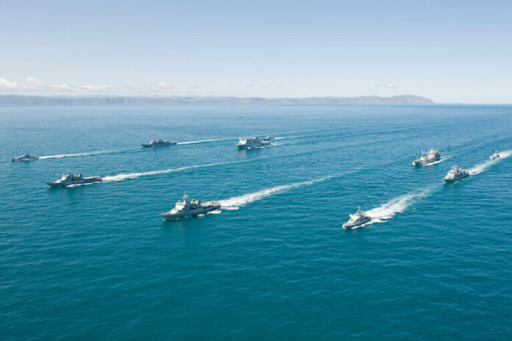
The situation escalated when over ten Philippine government ships neared the contested shoal. China’s Coast Guard stated it took defensive action, which included firing water cannons. The key point of contention now is the collision, with Beijing insisting a Philippine vessel intentionally struck one of its own in what it calls a clear provocation for which Manila must bear the consequences.
The timing of this clash is critical, occurring less than a week after China’s nature reserve announcement. This move was widely interpreted as an attempt to create a legal pretext for its control over the shoal, known as Bajo de Masinloc in the Philippines. Manila was already preparing its diplomatic opposition to the declaration before its ships were met with force.
The South China Sea is a theater of complex and overlapping territorial claims, with China claiming the lion’s share. These disputes are driven by nationalism, strategic positioning, and access to resources like fish and potential hydrocarbons. The Scarborough Shoal has long been one of the most volatile arenas for these competing interests.
The international community has reacted with concern, siding largely with the Philippines. A senior American lawmaker described China’s actions as coercive efforts to enforce its sweeping claims. The governments of the United Kingdom and Australia have also signaled their unease, while Canadian diplomats in Manila condemned the use of environmentalism as a tool for territorial expansion.