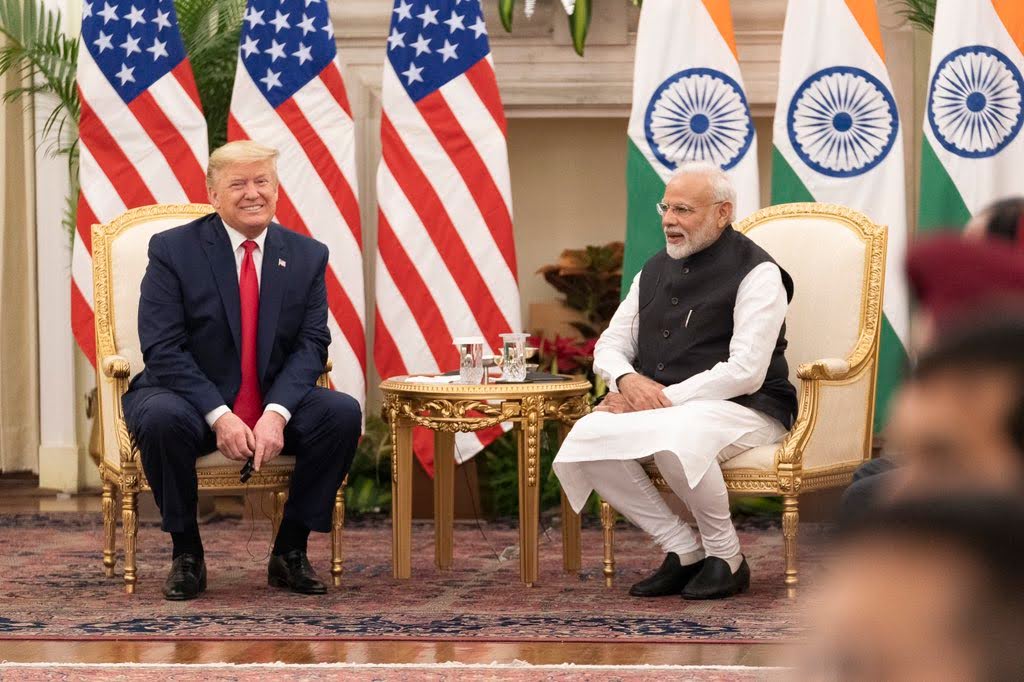
The United States is navigating a complex and seemingly contradictory foreign policy path, courting Russia with potential energy deals while simultaneously penalizing India with harsh tariffs for its trade with Moscow. This approach has put a strain on relations with a key ally.
The punitive measures against India are severe, with tariffs on its imports set to reach 50% this week. President Trump’s executive order makes it clear that these duties are a direct result of India’s decision to continue purchasing Russian oil, a move deemed by Washington to be against its strategic interests.
However, behind the scenes, American and Russian officials are discussing a renewal of their own energy partnership. Key among the proposals is a plan to allow Exxon Mobil to return to the Sakhalin-1 project, a move that would require overriding existing sanctions.
These talks, aimed at encouraging a peaceful settlement in Ukraine, suggest a willingness in Washington to engage an adversary economically for strategic purposes. This stands in stark contrast to the administration’s treatment of India, highlighting a policy that prioritizes tactical engagement with Moscow over its long-standing partnership with New Delhi.