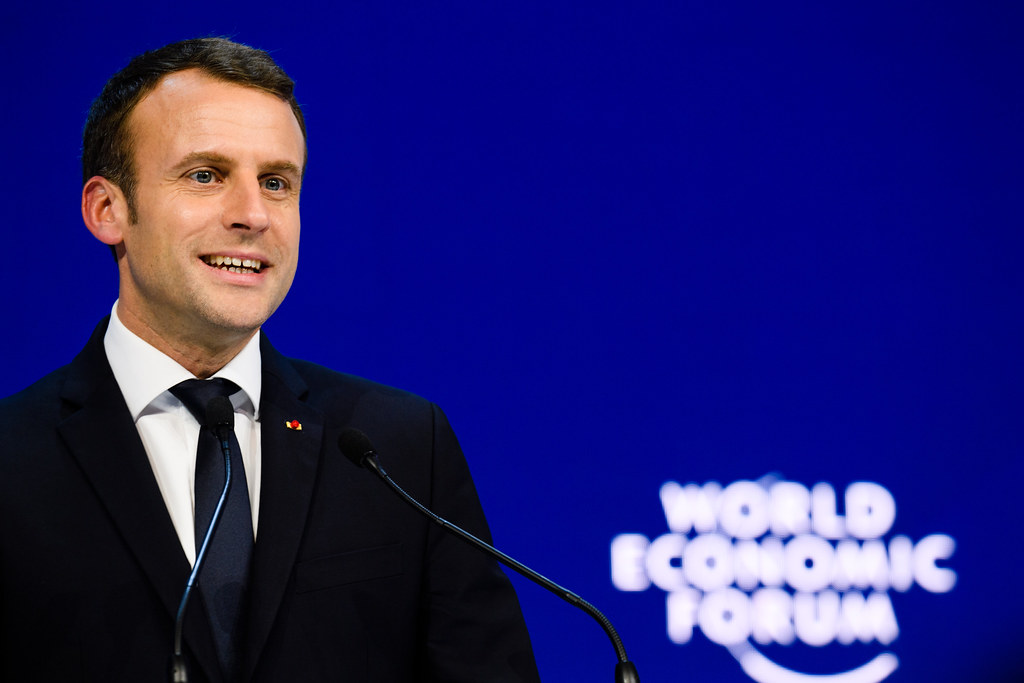
While France’s acknowledgment of its role in suppressing Cameroon’s independence is a historic step, many Cameroonians see it as “just the beginning” of a long process of healing and reconciliation. President Emmanuel Macron’s letter admitting French responsibility for a decades-long war has been met with calls for more substantive action.
The admission follows a detailed report by a joint commission that investigated the period of 1945-1971. The report confirmed that French forces engaged in a brutal war, causing tens of thousands of casualties and assassinating leaders of the independence movement. France also supported the repressive post-colonial government, extending the violence beyond 1960.
This official recognition from Paris is a victory for activists and historians who have long fought to have this painful history told. It represents a crack in the official French narrative that has historically glossed over the brutalities of its colonial empire. The move is also viewed in the context of France trying to reset its relationship with its former African colonies amidst a backdrop of growing resentment.
However, the lack of an apology or discussion of reparations has not gone unnoticed. Blick Bassy, a Cameroonian musician who helped lead the commission, stressed that the next steps must include national mourning, locating mass graves, and addressing lingering land disputes. For Cameroon, confronting this history is seen as essential to approaching its future “with greater clarity and confidence.”
47