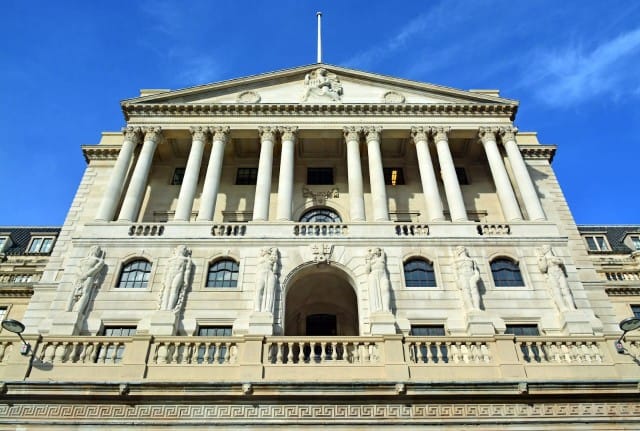
Homeowners can anticipate some relief as the Bank of England is widely expected to enact its fifth interest rate cut since last August this Thursday, bringing the rate down to 4%. This quarter-point reduction is a response to the UK’s rising unemployment and the economic drag caused by new import tariffs from Donald Trump. City traders are placing high bets on this cut, with over an 80% chance predicted for the upcoming MPC meeting.
The Chancellor, Rachel Reeves, will undoubtedly see this as a positive development, as lower interest rates translate directly into reduced mortgage payments and more affordable borrowing for businesses under pressure. However, the broader economic landscape remains challenging. The UK economy contracted in May and April, a decline many economists link to the uncertainty surrounding Trump’s trade war and the impact of recent business tax increases.
The labor market is also flashing warning signs, with job vacancies dropping below pre-pandemic levels and the unemployment rate climbing to 4.7% in the three months to May, reaching its highest level since June 2021. This weakening employment picture strengthens the case for monetary easing.
While the UK has a specific trade deal with the US, President Trump’s broader imposition of up to 50% tariffs on other trading partners is causing significant global trade disruption, impacting the UK’s growth prospects. The International Monetary Fund’s subdued forecast for the UK economy, with very limited expansion expected in the third and fourth quarters, reinforces the need for supportive measures. The Bank of England’s updated forecasts, to be published on Thursday, are anticipated to highlight these challenges, possibly signaling a period of stagflation, where inflation (CPI at 3.6%) remains high despite stagnant growth.
60