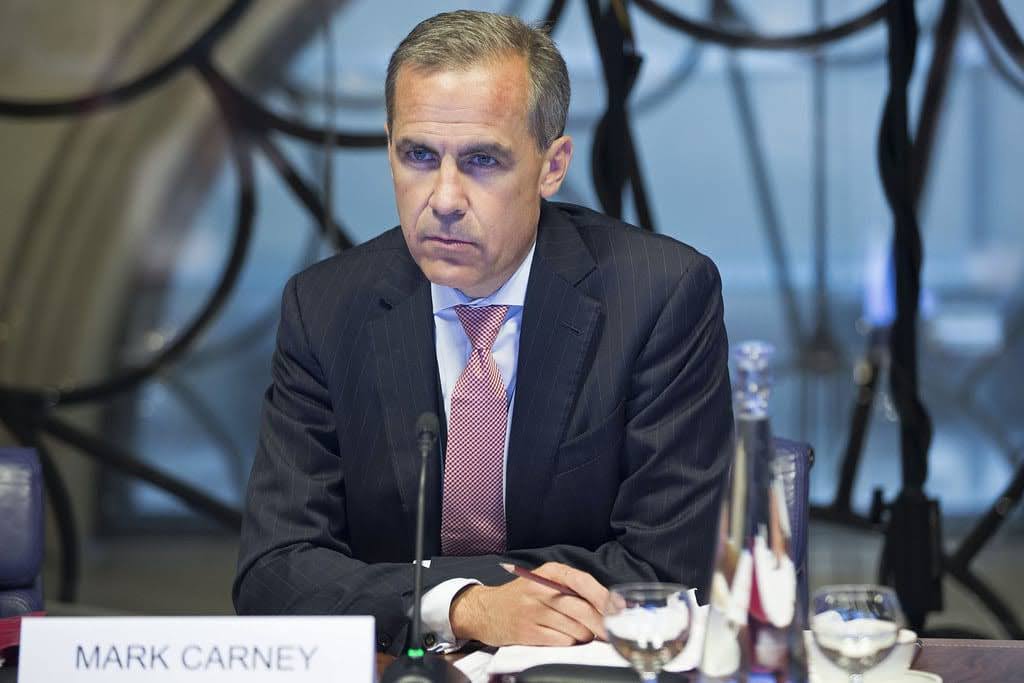
Indian Prime Minister Narendra Modi’s invitation to the G7 summit, extended by Canadian Prime Minister Mark Carney, is seen by many as a significant sign of Canada’s evolving foreign policy. This shift appears to prioritize pragmatic engagement with global powers, even when contentious issues like the Hardeep Singh Nijjar murder allegations persist.
Canadian Prime Minister Mark Carney, while facing reporters’ questions, declined to comment on whether he believed Modi had a role in Nijjar’s assassination. He cited the ongoing and “quite advanced” legal process in Canada, stating it was inappropriate to do so. Four Indian nationals have been charged in connection with Nijjar’s murder, which has severely impacted bilateral ties and led to mutual diplomatic expulsions.
The G7 summit, slated for June 15-17 in Kananaskis, Alberta, is a significant international gathering. Carney defended his decision by highlighting India’s economic and demographic importance, calling it the “fifth largest economy in the world” and “most populous country,” and central to global supply chains. He argued that Modi’s presence is essential for discussions on energy, artificial intelligence, and critical minerals.
This controversial invitation also aligns with Carney’s new government’s broader efforts to ease tensions with other nations, including recent efforts to normalize communication with China and resolve trade disputes with the US. The World Sikh Organization’s strong condemnation underscores the contentious nature of this foreign policy shift and its implications for Canadian values.