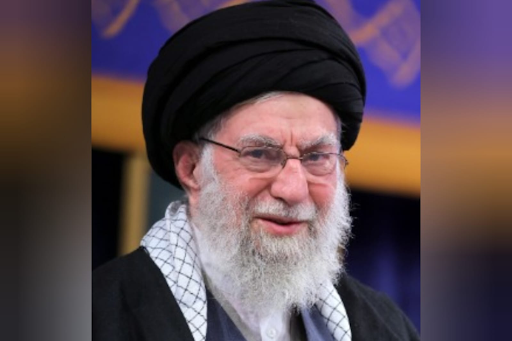
For nearly four decades, one man shaped every major decision in Iran. Now, with Supreme Leader Ayatollah Ali Khamenei dead following airstrikes by the United States and Israel, the Islamic Republic faces its most significant leadership challenge since its founding in 1979. Yet the system he built appears determined to survive.
The country’s political and security establishment had reportedly been preparing for this possibility since June, when the first wave of airstrikes exposed Iran’s military vulnerabilities. Key figures including President Masoud Pezeshkian, parliamentary speaker Mohammad-Bagher Ghalibaf, and security council head Ali Larijani have emerged as the central decision-makers in the immediate aftermath.
While US President Donald Trump called on Iranians to seize the moment and topple the regime, analysts say ordinary citizens are more likely to focus on personal safety than political upheaval — particularly while the country remains at war. There is no organized opposition movement capable of mounting a serious challenge to the entrenched system.
Internationally, reactions were divided. Russia’s Vladimir Putin praised Khamenei as “an outstanding statesman,” while China condemned the assassination as unacceptable. The killing has deepened fault lines between Western-aligned nations and those who view the strikes as a dangerous escalation.
The future of Iran’s nuclear program now hangs in the balance. Khamenei had for decades maintained a religious prohibition against developing nuclear weapons. With his death, voices favoring a more aggressive deterrence posture may find greater room to operate, potentially transforming one of the most consequential geopolitical questions of the era.